

THE BOTTOM LINE
Accumulating wealth requires a blend of automation, conscious spending, and structured budgeting rather than relying on willpower alone.
| Strategy | Typical Effort | Monthly Impact | Best For |
|---|---|---|---|
| Automation | Low | High | Consistent monthly savers |
| Budgeting (50-30-20) | Medium | Medium | Visual planners |
| Bill Negotiation | Medium | Low-Medium | Reducing fixed costs |
| Debt Paydown | High | Very High | Those with high-interest loans |
Your success with how to save money every month depends heavily on selecting the habits that align with your lifestyle constraints.
How Do I Set Up My Monthly Savings Foundation?
Establishing a financial foundation requires clear visibility into your household income and expenses. Without this baseline, it is incredibly difficult to sustain healthy financial habits or discover practical ways to save money monthly.
How do I track my spending to find leaks?
Tracking your cash flow is the first step because it exposes hidden leaks in your monthly expenses. You can use a dedicated spreadsheet or a budgeting app to log every single transaction for 30 days. Once you identify where your money goes, you can easily implement monthly saving tips that actually work. According to a research study from the Pew Research Center published in 2023, a vast majority of families struggle with unexpected costs, which highlights the critical need for a clear history of your cash flow.
To track your leaks effectively, use these steps:
- Categorize your expenses into fixed costs like rent and variable costs like dining out.
- Review your credit and debit card statements at the end of every week.
- Identify at least three non-essential purchases you can easily eliminate.
How does the 50-30-20 budget rule work?
The 50-30-20 rule is a straightforward budgeting framework designed to organize your monthly income without complex math. It divides your after-tax earnings into three distinct buckets, ensuring you cover your basic needs while consistently building your net worth. This system simplifies financial decision-making and automates your healthy habits.
| Category | Percentage | Allocation Examples |
|---|---|---|
| Needs | 50% | Rent, mortgage, essential groceries, utilities, and minimum debt payments |
| Wants | 30% | Dining out, streaming subscriptions, travel, and hobby equipment |
| Savings | 20% | Emergency funds, retirement accounts, and extra debt payments |
How do I set realistic, priority-based savings goals?
Setting specific goals keeps you motivated because it gives every dollar in your budget a clear purpose. Instead of trying to save a vague amount, target a concrete objective like building a $1,000 emergency fund. Break your larger goals into smaller weekly targets to make them feel less intimidating. Having structured, priority-based milestones ensures you stay on track even when unexpected expenses arise.
How Do I Put My Savings on Autopilot?
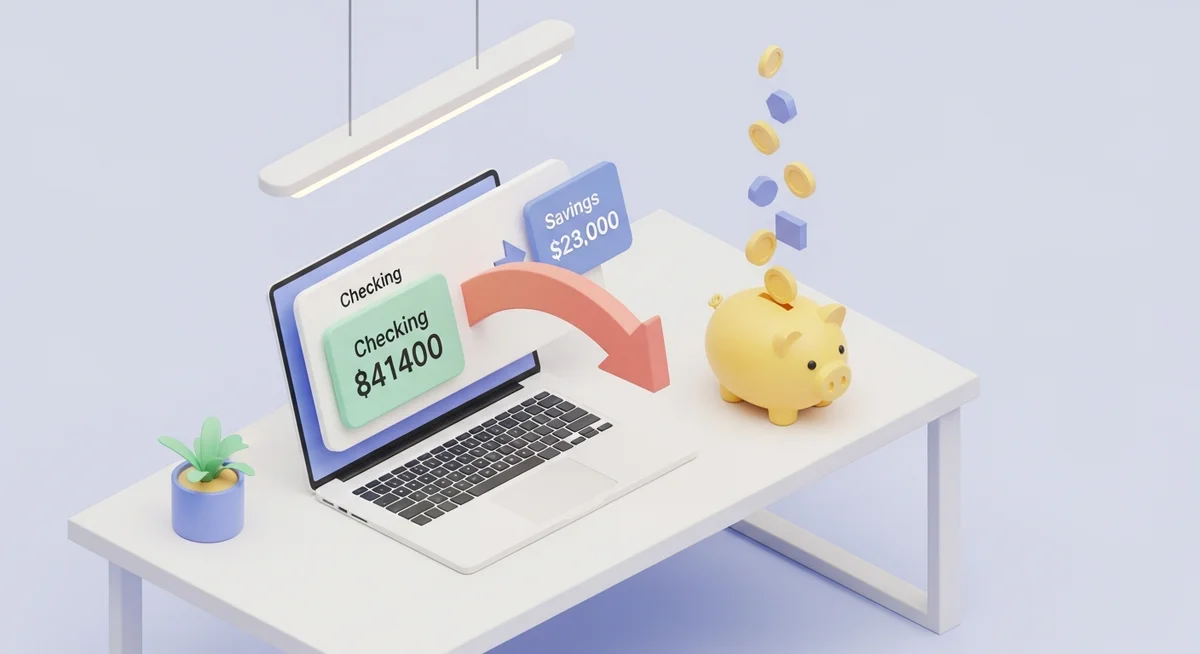
Automating your finances removes human error and the constant temptation to spend your extra money. By setting up automatic systems, you guarantee that your savings goals are met before you have the chance to spend those funds on discretionary purchases.
How do I automate my monthly transfers?
You can set up your bank account to automatically route a portion of your paycheck into savings on payday. This strategy, often called paying yourself first, ensures that savings are treated as a non-negotiable expense. Over time, you will adapt to living on the remaining balance without feeling deprived.
To build your automated system, follow these steps:
- Direct a flat amount, such as $100, to your savings account every single payday.
- Schedule recurring transfers to align with your primary monthly billing cycles.
- Increase the transfer amounts upward by 1% or 2% whenever you receive a raise.
How do I maximize my money with a high-yield savings account?
An ordinary savings account pays almost zero interest, whereas a high-yield savings account helps your money grow much faster. According to data tracked by Investopedia as of 2026, top-yielding accounts offer interest rates around 4.5% to 5.0% annual percentage yield (APY). Keeping $10,000 in a high-yield account can earn you roughly $450 to $500 in interest annually with virtually zero risk. Ensure your chosen institution is federally insured by the Federal Deposit Insurance Corporation (FDIC) up to $250,000.
How Can I Trim My Recurring Monthly Bills?
Fixed costs represent the largest portion of your monthly budget, but they are often more flexible than they appear. Trimming these recurring bills can permanently lower your cost of living with minimal daily effort.
How do I cancel unnecessary subscriptions and memberships?
Many people pay for digital subscriptions and club memberships that they rarely use. Reviewing your bank statement line-by-line is the easiest way to catch these silent cash drains. You might find active trials that rolled over into paid monthly plans without your awareness.
Take these steps to eliminate subscription waste:
- Audit your streaming services and keep only one active video platform at a time.
- Check your app store account settings for recurring mobile subscriptions you forgot.
- Cancel gym memberships if you have not visited the physical facility in 90 days.
How do I negotiate my utilities and insurance plans?
Most service providers will discount your rates if you ask them, especially if you have been a customer for a long time. Call your internet, cable, or car insurance company to request a better rate. You can mention competitor pricing to gain leverage during the conversation. A single 15-minute phone call can often shave $20 to $50 off your bills every month.
How do I switch to a cheaper cell phone or internet plan?
Switching to a mobile virtual network operator (MVNO) can slash your phone bill significantly. MVNOs lease coverage from major nationwide networks, so you receive identical coverage for a fraction of the cost. Switching your phone plan can easily save you $40 per line every month. Review your actual monthly data usage to ensure you are not overpaying for an unlimited plan you do not need.

Which Smart Shopping Habits Lower Daily Costs?
Daily variable expenses are highly subjective and can easily spin out of control if you are not careful. Adopting mindful shopping habits can immediately reduce your day-to-day spending without impacting your happiness.
How do I plan grocery shopping with lists and buy in bulk?
Food is one of the easiest areas to trim your spending without sacrificing your quality of life. Meal planning prevents last-minute takeout orders and minimizes food waste. Always shop with a list and buy your frequently used pantry staples in bulk to get the lowest price per unit.
Try these practical grocery strategies:
- Plan your weekly meals based on what items are currently featured in store ads.
- Buy generic or store brands instead of name brands to save up to 30%.
- Limit trips to the supermarket to once per week to reduce impulse purchases.
How do I delay impulse buys with the 30-day rule?
The 30-day rule requires you to wait a full month before purchasing any non-essential item. When you feel the urge to buy something, write it down on a list with the current date. If you still want the item after 30 days have passed, you can buy it guilt-free. This simple delay helps break the cycle of emotional spending and keeps extra money in your wallet.
How do I leverage cash-back and money-saving apps?
Using free cash-back applications and browser extensions helps you recover a percentage of your regular spending. These platforms partner with major retailers to return a small portion of your purchase price to you. While this should not justify making extra purchases, it is an easy way to get discounts on items you already need to buy. Be sure to transfer these cash rewards directly into your savings account.