
THE BOTTOM LINE
To prepare your car for summer heat, inspect the cooling system, battery, fluids, tires, and air conditioning before temperatures rise.
- Check coolant, hoses, belts, and the radiator for leaks or damage.
- Set tire pressure when the tires are cold, using the number on the driver’s doorjamb.
- Test the air conditioner and replace worn filters before a long trip.
- Carry water, jumper cables, a first-aid kit, and a reliable way to call for help.
The vehicle’s age, maintenance history, climate, and planned mileage determine whether a basic inspection is enough or a mechanic should perform a full service.
How to Keep Your Car Running Smoothly in Summer Heat
Summer heat adds stress to the cooling system, battery, tires, fluids, and air conditioner. A short inspection in late spring gives you time to fix small problems before a hot day turns them into a roadside breakdown.
Schedule the inspection at least 2 weeks before a major road trip. If your car has an overheating history, dashboard warning light, fluid leak, or starting problem, have a qualified mechanic diagnose it rather than relying on a visual check.
Why Summer Heat Is Hard on Your Car
- High temperatures make the engine cooling system work harder, especially in stop-and-go traffic or while climbing hills.
- Heat accelerates battery fluid evaporation and can shorten battery life, according to the nonprofit Interstate Batteries, a manufacturer of automotive batteries.
- Hot pavement raises tire temperature and can worsen the effects of underinflation, overloading, or worn tread.
- Direct sunlight increases cabin temperature and contributes to fading, cracked dashboards, and damage to upholstery.
The National Highway Traffic Safety Administration (NHTSA) recommends checking vehicle condition before travel, including tires and emergency equipment. Heat is not a reason to skip normal service intervals, so use your owner’s manual as the primary schedule.
Complete a Summer Maintenance Inspection: How to Prepare Your Car for Summer Heat
A complete inspection should cover the cooling system, battery, charging system, fluids, brakes, lights, and visible leaks. You can perform basic checks on a parked, cool vehicle, but repairs involving pressurized systems or electrical faults belong with a professional.
How do you check the cooling system, belts, and hoses?
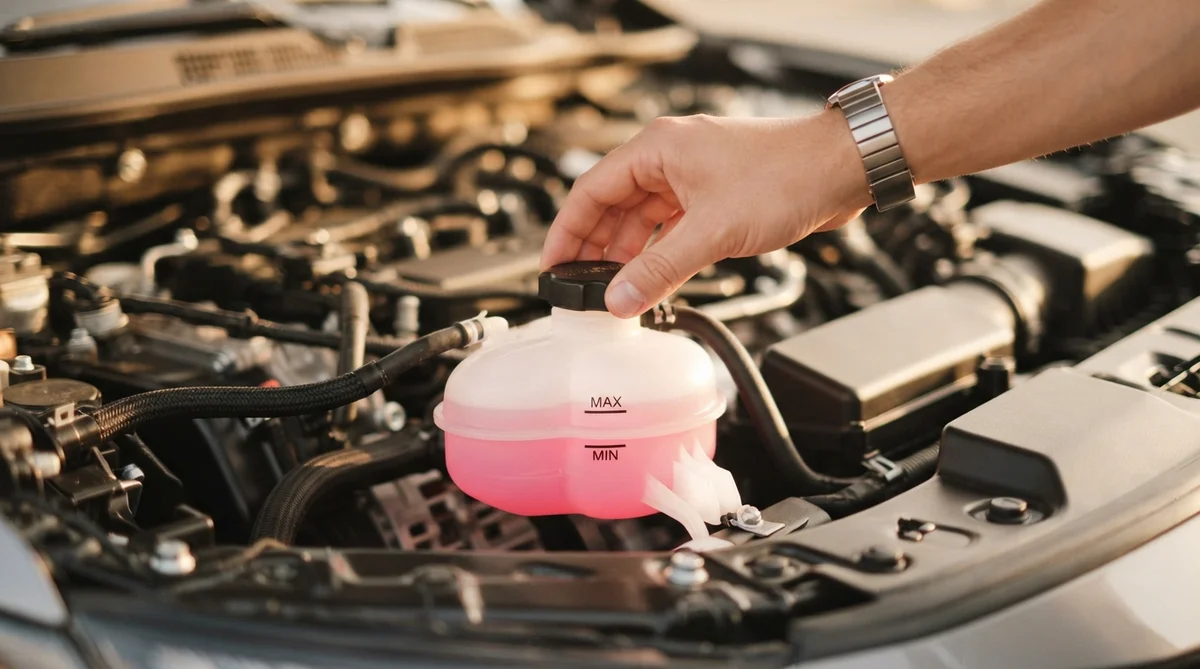
- Inspect the coolant reservoir when the engine is cold and confirm the level sits between the marked lines.
- Look for green, orange, pink, blue, or yellow residue around hoses, the radiator, water pump, and under the vehicle, since coolant color varies by formula.
- Press only flexible rubber hoses with a cool engine. Replace hoses that are cracked, swollen, soft, or brittle.
- Examine the serpentine belt for fraying, glazing, missing ribs, or deep cracks, and ask a mechanic to check belt tension if you hear squealing.
- Never remove a radiator cap while the engine is hot. Pressurized coolant can cause severe burns.
A rising temperature gauge, steam, sweet coolant smell, or repeated need to add coolant signals a fault. Pull over safely, switch off the engine, and call roadside assistance instead of continuing to drive.
How do you inspect the battery and charging system?
- Check the battery case for swelling, cracks, or leaks, which can indicate heat damage or internal failure.
- Clean corrosion from accessible terminals using the procedure in your owner’s manual, and keep the connections tight.
- Test the battery and alternator at an auto-parts store or repair shop before a long trip, especially if starting is slow.
- Check that the battery hold-down is secure so vibration does not damage the case or connections.
Battery age matters more than a calendar season. If the battery is near the replacement interval listed by its manufacturer or has shown weak starts, arrange a test before traveling.
How do you check engine oil, coolant, and other fluids?
- Check engine oil on level ground after the engine has been off for the period specified in the owner’s manual, then top up with the correct viscosity.
- Inspect brake fluid, power-steering fluid if equipped, transmission fluid if accessible, and windshield-washer fluid.
- Use the coolant type specified by the vehicle manufacturer. Do not mix formulas unless the manufacturer says they are compatible.
- Look under the car after parking for fresh oil, coolant, brake fluid, or transmission fluid.
Fluid levels do not replace scheduled fluid changes. If a level drops repeatedly, have a mechanic find the leak instead of topping it off indefinitely.
How do you check your tires for hot-weather driving?
- Measure all 4 tires and the spare when cold, then match the pressure on the driver’s doorjamb label or in the owner’s manual, not the maximum number molded into the tire sidewall.
- Inspect the tread for uneven wear, bulges, cuts, exposed cords, or objects lodged in the rubber.
- Replace a tire at or below 2/32 inch of tread depth. The penny test can flag worn tread, but a tread-depth gauge gives a more reliable measurement.
- Check the spare, jack, lug wrench, and tire-inflation kit before leaving home.
Do not reduce tire pressure because the pavement is hot. Pressure changes with temperature, so check tires before driving and avoid measuring immediately after a long trip.
Confirm your load does not exceed the vehicle’s payload or tire limits. For a family road trip, use the vehicle placard and tire manufacturer’s guidance, then check pressure again after loading.
How do you keep the air conditioning working efficiently?
- Run the air conditioner for several minutes and confirm it produces consistently cold air through every selected vent.
- Listen for grinding, rattling, or belt squeal, and note weak airflow or a musty odor.
- Inspect the cabin air filter and replace it at the interval in your owner’s manual or sooner if airflow is reduced.
- Have a certified technician check refrigerant leaks or recharge the system. Do not release refrigerant into the atmosphere or use an unknown product.
To cool the cabin faster, open the windows briefly to release trapped hot air, then switch to recirculation once the air conditioner is running. Parking in shade and using a windshield sunshade also reduces the air conditioner’s workload.
How do you replace filters and inspect wipers?
- Replace a dirty engine air filter if the service schedule or inspection calls for it, because restricted airflow can affect engine operation.
- Replace a clogged cabin air filter when airflow is weak or the filter is visibly dirty.
- Clean the windshield and wiper blades, then replace blades that streak, skip, split, or leave unwiped areas.
- Test headlights, brake lights, turn signals, hazard lights, and reverse lights before driving at night.
Summer dust, pollen, and sudden storms can reduce visibility quickly. Keep washer fluid in the reservoir and carry an extra container if you expect to travel through remote areas.
How do you protect your car’s exterior and interior from heat and sun?
- Wash road film and salt from the exterior, then apply a compatible wax or paint sealant according to its label.
- Use a reflective windshield sunshade and park in a garage or shade when possible.
- Clean and condition leather or vinyl surfaces with a product approved for that material.
- Inspect window tint against your state’s legal limits before replacing or adding film.
- Never leave children, pets, medication, or perishable food in a parked vehicle, even with the windows slightly open.
Sun protection helps preserve the dashboard and upholstery, but it does not make a parked car safe for a person or animal. Remove aerosols, electronics, and anything that can melt, leak, or burst when the cabin heats up.
If you are planning a long drive, use a step-by-step vacation plan to map fuel stops, shaded rest areas, and backup routes before leaving.
What should you carry in an emergency and roadside safety kit?
- Pack drinking water, nonperishable snacks, sunscreen, a first-aid kit, and necessary personal medicines.
- Carry jumper cables or a charged jump starter, a flashlight, spare batteries, reflective warning devices, and work gloves.
- Include a tire gauge, portable inflator, basic tools, paper map, phone charger, and roadside-assistance contact details.
- Keep registration, insurance information, and emergency contacts accessible, while storing documents securely.
Check the kit at the start of summer and replace expired supplies. Water and medical items should match the number of people traveling and the distance between services.
If your route includes isolated roads, review road-trip route planning advice and tell someone your expected arrival time. On a breakdown, move as far from traffic as safely possible, turn on hazard lights, and stay in the vehicle when leaving it would expose you to moving traffic.
What belongs on your final summer readiness checklist?
- Check coolant, oil, brake fluid, washer fluid, and any other accessible fluids with the engine cool.
- Inspect hoses, belts, the battery, lights, wipers, and visible leaks.
- Set cold tire pressure, inspect tread, and confirm the spare and jack are usable.
- Test the air conditioner and replace the cabin filter if airflow or odor indicates a problem.
- Wash the car, protect the interior with a sunshade, and remove heat-sensitive items.
- Restock water, snacks, first-aid supplies, jumper equipment, a flashlight, and phone power.
- Book a mechanic promptly for overheating, warning lights, repeated fluid loss, brake problems, or battery failure symptoms.
Recheck tire pressure, fluid levels, and your emergency kit before any trip longer than 100 miles, and verify manufacturer instructions whenever your vehicle or climate differs from the conditions covered here.