
WHAT YOU NEED TO KNOW
Understanding how to prevent clogged drains is the most effective way to protect your plumbing infrastructure and avoid expensive emergency service calls. Regular maintenance and simple habits keep wastewater moving freely through household pipes without harsh chemicals.
- 85% of household drain blockages stem from accumulated cooking grease, hair, or improper waste disposal.
- A monthly flush with 1 gallon of boiling or hot water melts early fat deposits before they harden.
- Installing mesh strainers costing under $10 captures up to 90% of hair and debris at the surface.
Individual household pipe age and municipal water hardness can alter how quickly buildup forms inside plumbing systems.
What Never to Put Down Your Drains
Pipes are designed exclusively to transport liquid waste and soluble toilet paper away from your living space. Introducing solid matter, viscous liquids, or non-biodegradable items creates structural snags inside wastewater lines that trap incoming debris.
According to guidelines from the U.S. Environmental Protection Agency, municipal sewer systems suffer thousands of fatberg blockages each year primarily caused by improper household disposal. Avoiding blocked pipes starts by keeping offending substances out of sink and toilet openings entirely.
- Fats, Oils, and Grease (FOG): Liquefied animal fat and vegetable oil cool inside cold wastewater pipes, solidifying into thick coatings that narrow the pipe diameter.
- Expanded Food Scraps: Coffee grounds, rice, pasta, and eggshells absorb water or form paste-like sludge that catches other passing particles.
- Wipes and Paper Towels: Even products labeled flushable do not break down rapidly, causing massive obstructions in household branch lines.
- Paint and Household Chemicals: Liquid paints coating pipe walls dry into rigid barriers, while toxic solvents damage plastic and cast iron seals over time.
How to Prevent Clogged Drains in Kitchen Sinks
Kitchen drains process heavier organic loads than any other fixture in the home, making them prime targets for stubborn blockages. Preventing kitchen sink clogs requires distinguishing between disposal-equipped setups and basic drain strainers.
For Sinks with Garbage Disposals
Garbage disposals grind organic material into small particles, but they cannot disintegrate fibrous, starchy, or greasy foods. Running cold water continuously while operating the unit washes ground waste completely through the trap into the main line.
- Run Cold Water: Turn on a steady stream of cold water before turning on the unit, and leave it running for 15 seconds after turning the motor off.
- Avoid Fibrous Vegetables: Celery, corn husks, potato skins, and banana peels create stringy fibers that entangle disposal blades and line walls.
- Feed Small Batches: Drop food scraps into the unit in small increments rather than stuffing the hopper full all at once.
- Clean with Ice and Citrus: Grind 1 cup of ice cubes and lemon peels monthly to scour the internal grinding ring and eliminate odors.
For Sinks Without Garbage Disposals
Sinks without mechanical disposals rely entirely on gravity and water flow to carry food particles down the branch line. Catching solids before they cross the drain threshold is essential for maintaining consistent flow.
- Use Stainless Steel Strainers: Position a fine mesh strainer over the drain basket to catch rice grains, small scraps, and seed hulls.
- Wipe Dishes Before Washing: Scrape leftover food and grease into the trash can or compost bin using a rubber spatula before rinsing plates.
- Collect Cooking Grease: Pour excess oils into a designated glass jar or metal container, allow it to solidify, and toss it in the trash.
- Weekly Hot Water Rinse: Pour 1 kettle of boiling water down the drain weekly to melt light grease films before they build into thick collars.
Prevention Tips for Bathroom Drains
Bathroom plumbing faces a unique combination of human hair, body oils, and binding agents found in bar soaps. Over time, these materials bind together into sticky masses that choke sink basins, shower pans, and bathtubs.
Stopping Hair and Soap Scum
Effective bathroom drain maintenance tips focus on intercepting strands of hair at the drain surface before they reach internal traps. Combining mechanical barriers with smart washing habits protects lower pipe branches from costly clogs.
- Install Hair Catches: Place silicone or stainless steel drain guards over shower and tub openings to catch loose hair strands during every shower.
- Clean Drain Stoppers: Remove pop-up stoppers in bathroom sinks every 3 months to wipe away accumulated hair, toothpaste residue, and soap scum.
- Switch to Liquid Body Wash: Synthetic liquid soap formulations contain fewer fats and tallow than traditional bar soap, drastically reducing soap scum buildup.
- Brush Hair Prior to Showering: Removing loose hairs before stepping into the shower keeps hundreds of loose strands out of the plumbing system each month.
Routine Maintenance to Keep Drains Flowing
Proactive care prevents microscopic organic layers from developing into solid pipe obstructions. Simple monthly maintenance routines dissolve early organic buildup without damaging pipe materials or septic tank biology.
Consumer Reports testing indicates that non-corrosive enzyme cleaners and natural flush methods effectively maintain open pipe diameters when used regularly. If you are working on surrounding bathroom surfaces, taking care of plumbing maintenance alongside tasks like learning how to clean shower grout creates a cleaner overall space.
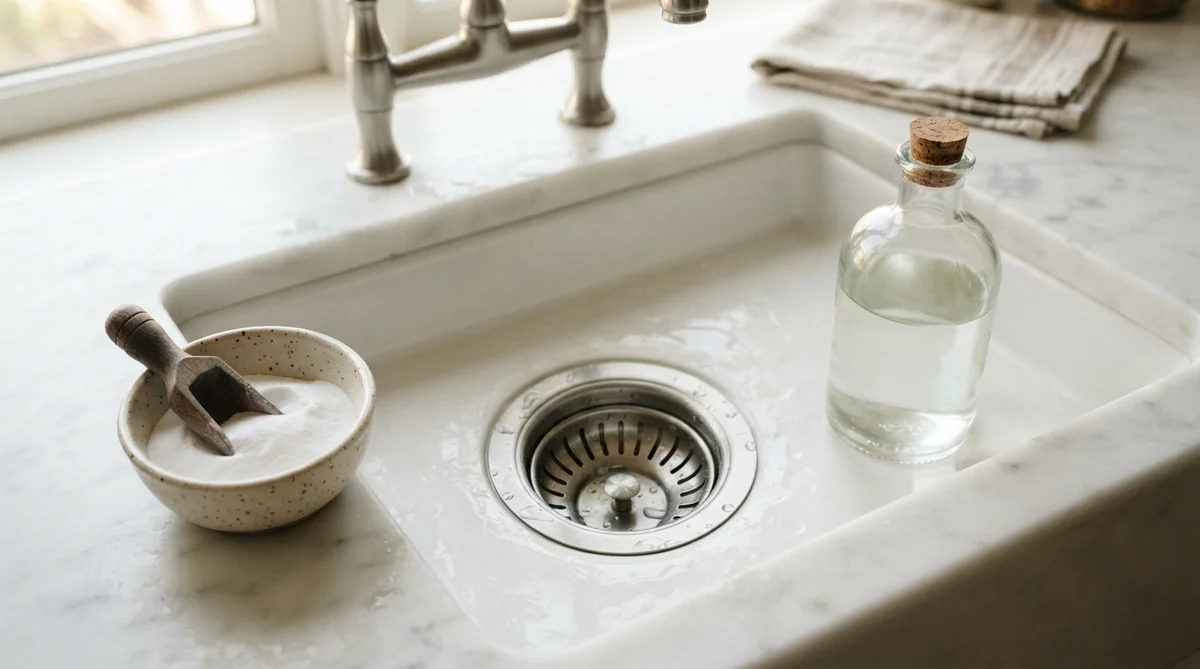
- Baking Soda and Vinegar Flush: Pour 0.5 cup of baking soda followed by 1 cup of white distilled vinegar down the drain, let it fizz for 15 minutes, then rinse with hot water.
- Monthly Enzyme Treatments: Use natural biological drain cleaners once every 30 days to consume organic sludge without corroding plastic or metal pipes.
- Check Overflow Holes: Clear lint and dust from bathroom sink overflow openings to ensure air flows freely through the drainage system.
- Flush Unused Drains: Run water through guest bathroom sinks and tub drains for 2 minutes every few weeks to keep sewer gas traps filled with fresh water.
When to Consider Professional Drain Cleaning
While DIY preventative steps manage day-to-day debris, underlying structural issues or deep main line blockages require specialized plumbing tools. Recognizing early warning signs helps homeowners address deep issues before sewage backups damage property.
Living in smaller residences often brings plumbing layouts into closer proximity; just as when organizing or making a small apartment feel bigger, keeping functional infrastructure running smoothly ensures your living space remains comfortable.
- Multiple Slow Drains: If sinks, showers, and toilets across different rooms drain slowly at the same time, the main sewer line likely contains an obstruction.
- Persistent Gurgling Sounds: Air trapped behind a deep blockage bubbles back through fixture traps, producing distinct gurgling or popping noises during drainage.
- Unexplained Foul Odors: Sewage or decaying organic smells emitting from clean drains indicate decomposing matter trapped deep within branch pipes.
- Frequent Water Backups: Water rising into a tub or shower stall when running the washing machine or flushing an adjacent toilet points to a main line restriction.